October 28, 2026
Exterior lighting plays an important role in how customers, employees, and visitors experience a commercial property after sunset. A well-planned lighting system can highlight architectural details, improve visibility, and create a welcoming atmosphere that encourages people to approach your business. The right fixtures and placement also help make outdoor areas more functional without overwhelming the property's appearance.
For business owners, successful exterior lighting installations begin with understanding the property's needs and identifying the areas that would benefit most from illumination. By balancing practical requirements with visual appeal, you can create an outdoor environment that supports your business operations and presents a polished appearance. Thoughtful planning also helps businesses control operating costs while ensuring outdoor spaces remain useful, attractive, and accessible throughout the evening.
Identify the Most Important Areas to Illuminate
Improve Visibility Around Entrances and Walkways
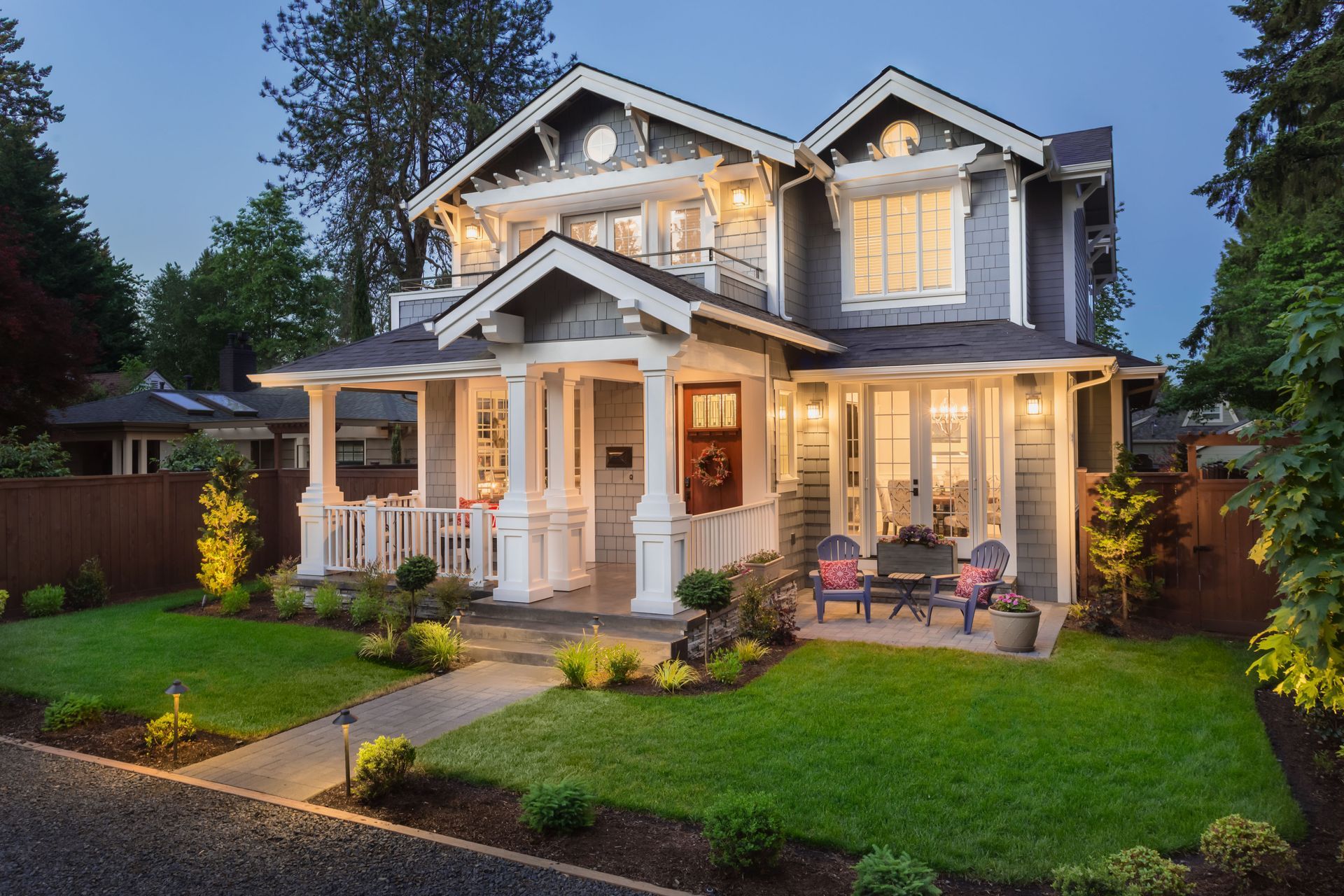
Entrances and walkways are among the most important areas to address when planning commercial lighting. Customers need to identify doors, navigate paths, and approach the building without struggling to see obstacles in their way. Insufficient illumination can make these areas difficult to navigate, particularly during winter evenings or on properties with uneven pavement. Well-positioned fixtures help create a more accessible environment while making the entrance easier to identify from the surrounding property.
When evaluating exterior lighting installations, consider how people approach your building from parking areas, sidewalks, and nearby streets. Pathway lights can define pedestrian routes, while wall-mounted fixtures can illuminate doorways and covered entrances. The goal is to distribute light where it is most useful rather than relying on a few overly bright fixtures to illuminate the entire area. A consistent lighting arrangement can improve visibility and help visitors feel more comfortable approaching your business after dark.
Address Parking Areas and Building Perimeters
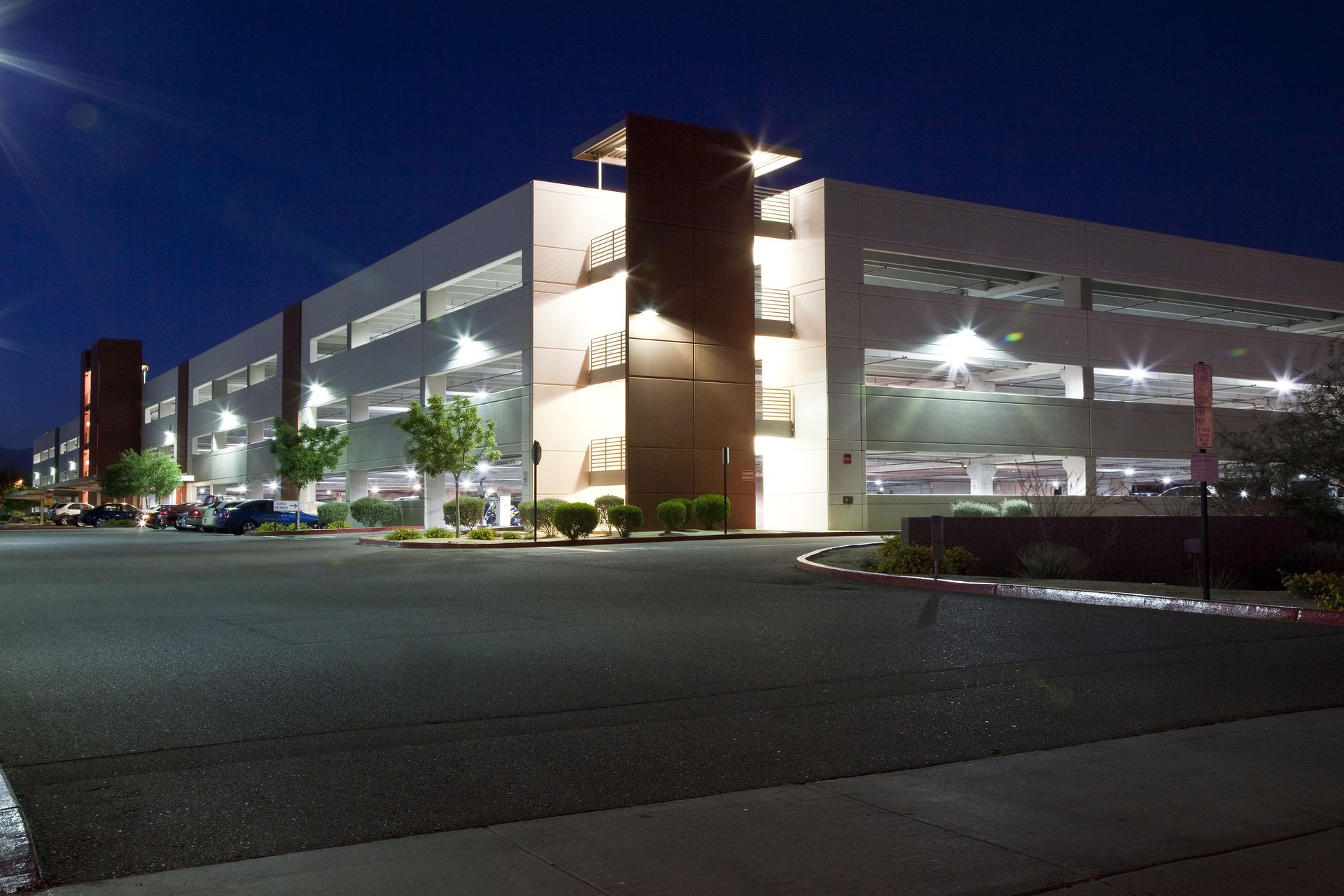
Parking lots and building perimeters also deserve careful attention because they influence how customers move around your property. Adequate lighting can make parking spaces easier to identify, improve visibility around parked vehicles, and help employees navigate outdoor areas when opening or closing the business. Depending on the property's layout, you may need pole-mounted fixtures, wall packs, or directional lights that illuminate specific sections without creating excessive glare.
Perimeter lighting can also help you monitor entrances, service areas, loading zones, and other locations that receive less attention during normal business hours. Consider where delivery drivers enter, where employees access the building, and which areas remain active after closing. Strategic exterior lighting installations can address these needs while maintaining a consistent appearance throughout the property. A professional assessment can help identify dark spots and determine where additional fixtures would provide the greatest practical benefit.
Choose Exterior Lighting That Complements Your Business
Highlight Architectural Features and Landscaping
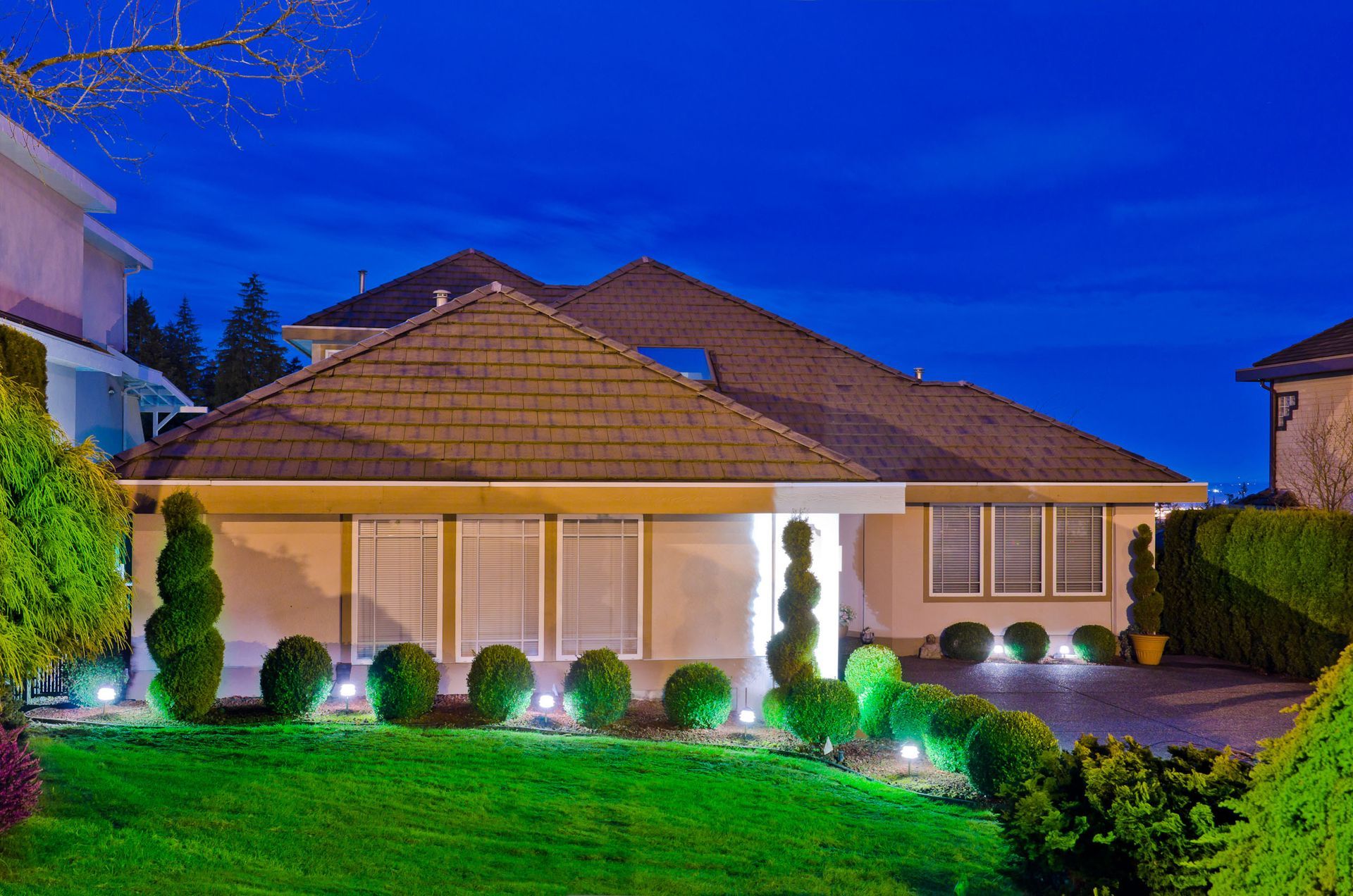
Exterior lighting can do more than illuminate functional areas. It can also draw attention to the architectural features and landscaping that distinguish your business from neighboring properties. Carefully positioned fixtures can emphasize textured walls, columns, signage, ornamental trees, and planted beds. These details become more noticeable after dark when surrounding areas are less visible, creating depth and helping the property maintain an attractive appearance throughout the evening.
The best approach depends on your building's design and the impression you want to create. A professional office may benefit from subtle facade lighting that emphasizes clean lines, while a restaurant might use softer illumination around landscaping and outdoor seating. During exterior lighting installations, consider how different fixture angles create highlights and shadows across the building. A balanced arrangement can establish visual interest without making the property appear excessively bright or distracting.
Select Appropriate Fixtures and Light Levels
Fixture selection influences both the appearance and practical performance of a commercial lighting system. Wall-mounted lights, recessed fixtures, landscape spotlights, and pathway lights serve different purposes, so each should be selected according to its intended application. Outdoor fixtures should also be rated for the conditions in which they will operate, including exposure to rain, humidity, temperature changes, and other environmental factors.
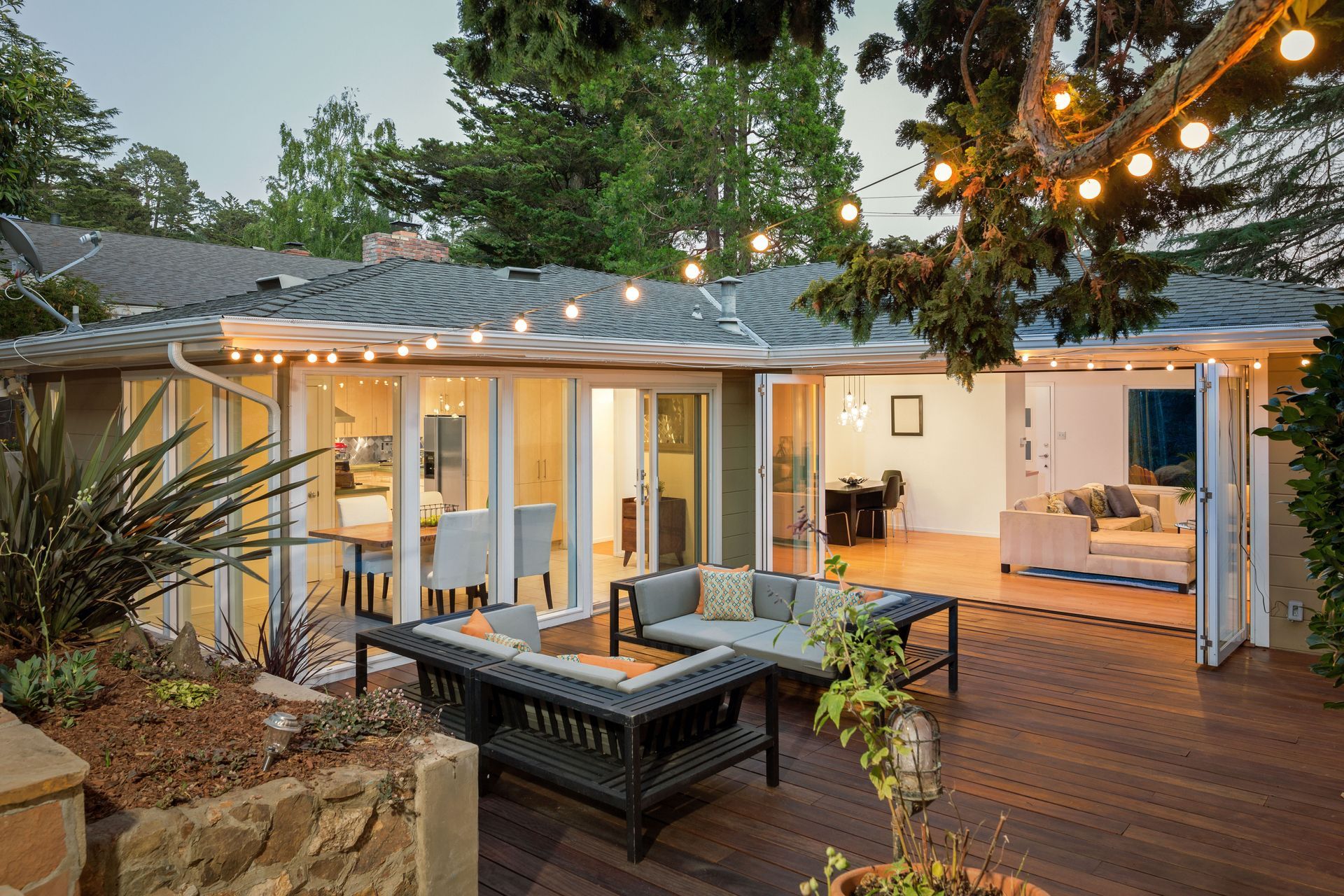
Light color and brightness deserve equal consideration. Cooler light may suit certain commercial environments that require clear visibility, while warmer tones can create a more relaxed atmosphere around hospitality businesses or landscaped seating areas. Excessive brightness, however, can cause glare and make surrounding spaces less comfortable. Choose exterior lighting levels that support the property's functions while directing illumination toward the intended surfaces. Consistent fixture styles and coordinated light tones can help the finished design feel cohesive rather than pieced together.
Balance Installation Costs With Long-Term Value
A commercial lighting project should account for both the initial installation expense and the ongoing costs of operating and maintaining the system. Fixture prices, electrical work, wiring requirements, mounting locations, and property access can all affect the total investment. Establishing clear priorities helps you allocate the available budget to the areas where lighting will make the most meaningful difference.
Maintenance should also factor into your decision. According to LawnStarter, properly maintained outdoor lighting systems installed by professionals may remain in service for up to 15 years. This potential lifespan highlights the value of selecting durable fixtures and establishing a maintenance routine. During exterior lighting installations, ask about manufacturer warranties, expected maintenance requirements, and replacement options. These details can help you evaluate proposals more accurately and plan for the system's long-term operating needs.
Plan for Safe Installation and Reliable Performance
Work With Qualified Lighting Professionals
Commercial lighting projects involve more than selecting attractive fixtures and deciding where to place them. Electrical connections, circuit capacity, wiring routes, mounting methods, and weather protection all affect how safely and reliably a system operates. Working with qualified professionals helps ensure these technical requirements receive appropriate attention before installation begins.
An experienced contractor can assess the property, recommend suitable fixture types, and develop a layout that accommodates your operational needs. Professional installation also helps reduce the likelihood of problems associated with improper wiring, poorly secured fixtures, or unsuitable equipment. Before work begins, discuss the project timeline, access requirements, and any areas that must remain available to customers or employees. Clear planning can minimize disruptions and help the installation proceed efficiently.
Establish a Maintenance and Inspection Routine
Even a professionally installed lighting system requires periodic attention to maintain its performance. Dirt, moisture, damaged wiring, loose fixtures, and aging components can affect illumination over time. Regular inspections help identify these issues before they leave important areas poorly lit. Depending on the system and surrounding conditions, maintenance may include cleaning fixture lenses, checking mounting hardware, testing electrical components, and replacing worn lamps or damaged equipment.
It is also useful to review the lighting arrangement as your business changes. New landscaping, building renovations, expanded parking, or changes to pedestrian routes may create areas that need additional illumination. Periodic evaluations help you determine whether the existing system continues to meet your property's needs. Exterior lighting installations should support the way your business operates today while allowing room for practical adjustments as the property develops.
Practical exterior lighting can improve visibility, strengthen curb appeal, and make a commercial property more welcoming after dark. By prioritizing entrances, parking areas, and building perimeters, you can address essential functional needs before adding architectural and landscape accents. Choosing appropriate fixtures, planning for maintenance, and working with qualified professionals also help create a system that delivers lasting value. Contact Creative Outdoor Lighting today to discuss your property's needs and request an estimate for customized exterior lighting installations.