October 30, 2026
Outdoor lighting can transform a property by highlighting architectural details, improving visibility, and creating a welcoming atmosphere after sunset. Whether the goal is to illuminate a garden, brighten a walkway, or showcase a home's exterior, the quality of the installation plays an important role in the final result. Choosing the right professional helps ensure that the lighting complements the property while meeting practical needs.
Finding a qualified lighting contractor involves more than comparing prices. Homeowners should consider experience, design capabilities, product quality, communication, and installation practices before making a decision. Understanding what separates a dependable professional from an unsuitable choice can make the planning process easier and help property owners feel confident about their investment. A well-planned design can also highlight favorite outdoor features while making pathways and gathering areas more inviting after dark.
Evaluate Experience and Qualifications
Experience can make a meaningful difference in the quality of a lighting installation. Outdoor environments present challenges involving weather exposure, landscaping, electrical requirements, and the placement of fixtures around existing structures. A professional who understands these considerations can recommend practical solutions while helping homeowners avoid common design and installation problems.
When evaluating potential providers, ask about their experience with projects similar to yours. Someone specializing in landscape illumination may approach a property differently from a professional focused primarily on architectural lighting or security applications. Reviewing relevant qualifications, licensing where required, and insurance coverage can also help establish whether a provider is prepared to complete the work responsibly.
A lighting contractor should be able to explain the proposed approach in straightforward language. Clear answers about installation methods, fixture placement, and project requirements demonstrate an understanding of the work involved. Homeowners should feel comfortable asking questions and requesting clarification before agreeing to a plan.
Review Previous Projects and Design Capabilities
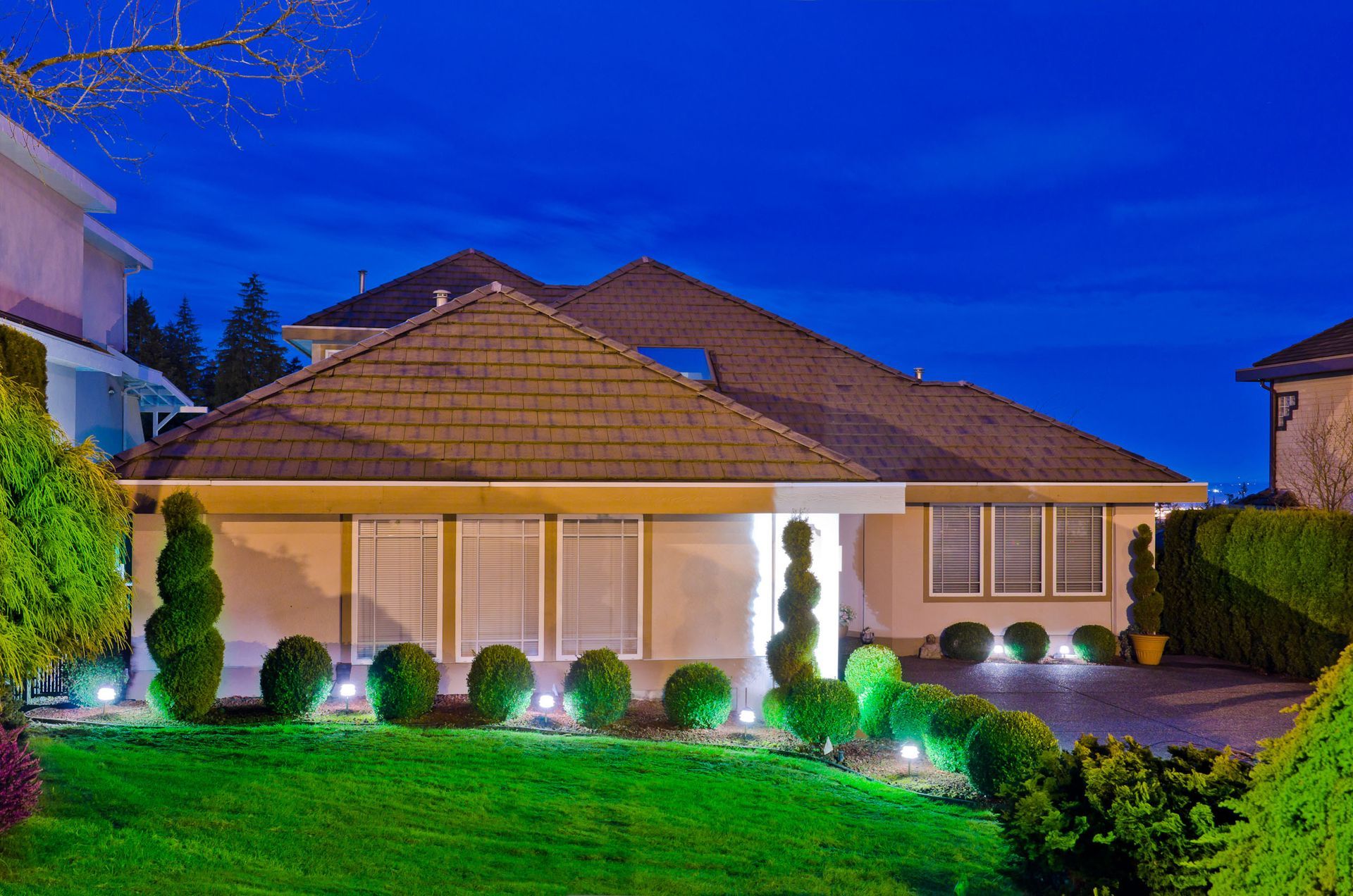
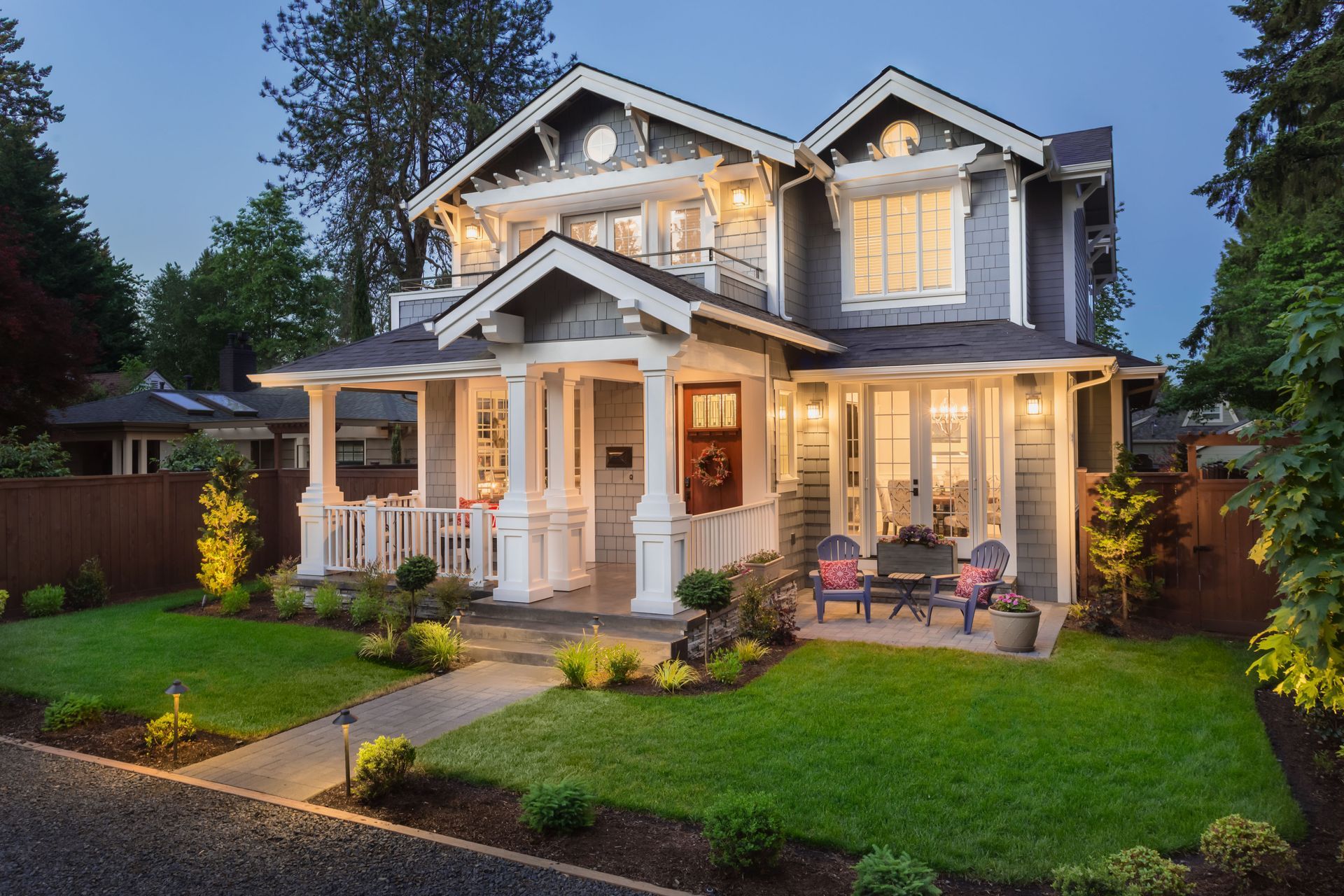
Photographs of completed installations can reveal a great deal about a provider's design approach. Look for projects that demonstrate balanced illumination, thoughtful fixture placement, and attention to architectural features. A portfolio can also help homeowners determine whether a professional's style aligns with their preferences, whether those preferences involve subtle pathway lighting or dramatic landscape accents.
Whenever possible, request examples of work involving properties with similar layouts or lighting goals. A well-designed installation should complement the surroundings rather than overwhelm them. Fixtures placed without considering trees, garden beds, building materials, and sightlines can produce harsh glare or uneven illumination that detracts from the property's appearance.
Design discussions should also address how the property will look from different viewpoints. Lighting that appears attractive from the street may create unwanted brightness near a patio or bedroom window. An experienced professional considers how illumination affects the entire outdoor environment, helping create a cohesive appearance that supports the homeowner's priorities.
Compare Lighting Options and Energy Efficiency
Different lighting technologies offer different advantages, so product selection deserves careful attention. Homeowners should compare brightness, color temperature, durability, energy consumption, and maintenance requirements before choosing fixtures. The right combination depends on the property's layout, the intended atmosphere, and whether the lighting is primarily decorative, functional, or intended to support security.
LED technology is often worth discussing because of its potential longevity and energy efficiency. According to This Old House, LED lights may operate for up to 40,000 hours, equivalent to roughly 20 years of regular use, while halogen bulbs may last only two years. Actual performance depends on the product, operating conditions, and usage, so homeowners should review manufacturer specifications before making a selection.
A knowledgeable lighting contractor can explain the differences between available products without pushing homeowners toward unnecessary upgrades. Ask about expected maintenance, replacement availability, weather resistance, and compatibility with controls or dimmers. Understanding these details can help property owners select lighting that balances appearance, operating costs, and long-term convenience.
Assess Communication and Customer Service
A successful lighting project depends on more than technical ability. Communication helps ensure that the finished installation reflects the homeowner's expectations and that potential concerns are addressed before work begins. During initial discussions, notice whether the provider listens carefully, explains recommendations, and responds directly to questions about the proposed project.
Reliable professionals should establish clear expectations regarding scheduling, installation procedures, property access, and any preparation required from the homeowner. They should also explain how changes to the original plan will be handled if unexpected conditions arise. These conversations help prevent misunderstandings and give homeowners a better understanding of what the project will involve.
Pay attention to how the provider handles questions about concerns or alternatives. A professional who welcomes discussion can help homeowners make informed decisions without feeling pressured. Clear communication throughout the process also makes it easier to resolve issues promptly and maintain a productive working relationship from the initial consultation through project completion.
Examine Estimates, Warranties, and Project Details
Price matters, but the lowest estimate does not necessarily represent the best overall value. Quotes may differ in fixture quality, installation labor, wiring requirements, controls, and the amount of design assistance included. Comparing estimates carefully helps homeowners understand what each provider is offering and identify differences that could affect the completed installation.
Request a written estimate that outlines the proposed work, materials, labor, expected schedule, and any potential additional charges. If a quote contains vague descriptions or leaves important elements unspecified, ask for clarification before signing an agreement. A detailed proposal makes it easier to compare providers fairly and reduces the risk of unexpected expenses.
Warranty terms also deserve attention. Ask whether coverage applies to the fixtures, installation labor, or both, and find out what conditions could affect eligibility. Homeowners should understand how service requests are handled if a fixture fails or an installation problem develops. A lighting contractor who explains warranty coverage clearly can help establish realistic expectations for support after the work is finished.
Prioritize Safety and Long-Term Support
Outdoor lighting systems must withstand environmental conditions while operating safely around people, plants, and structures. Rain, moisture, soil movement, and landscaping activities can affect fixtures and their connections. Appropriate materials, proper installation practices, and suitable protection for outdoor electrical components are important considerations when planning a dependable system.
Ask how the provider will address drainage, weather exposure, cable placement, and the protection of existing landscaping. Electrical work should comply with applicable codes and be completed by appropriately qualified professionals. Depending on the project, the installation may also require permits or additional electrical expertise, making it important to understand who will be responsible for those requirements.
Long-term support is another factor worth considering. Even carefully installed systems may eventually need adjustments as trees grow, garden layouts change, or homeowners introduce new outdoor features. Discuss whether the provider offers maintenance, fixture adjustments, troubleshooting, or expansion services. Having a clear understanding of available support can help homeowners maintain the intended appearance and function of their lighting over time.
Choosing an outdoor lighting professional requires attention to experience, design quality, materials, communication, pricing, safety, and ongoing service. Evaluating these factors together helps homeowners look beyond initial costs and focus on the overall quality of the proposed installation. A thoughtful selection process can lead to lighting that enhances the property while supporting everyday use and long-term satisfaction.
Ready to transform your property's exterior with lighting that combines beauty, function, and thoughtful design? Contact Creative Outdoor Lighting to discuss your vision, explore your options, and take the next step toward a professionally illuminated outdoor space.