August 3, 2026
Outdoor spaces have become extensions of homes and businesses, providing areas to relax, entertain, and enjoy the outdoors after sunset. The right landscape lighting system can enhance visibility, highlight design features, and create a more inviting atmosphere. Understanding the key components of a well-designed lighting system helps property owners make informed choices for a functional and attractive outdoor space.
From selecting durable fixtures to choosing efficient technology, every detail plays a role in the overall performance of a lighting setup. A thoughtfully planned approach ensures that illumination feels natural rather than overwhelming while also supporting safety and convenience. By learning how different elements work together, property owners can better understand what contributes to a high-quality outdoor lighting experience.
Selecting Fixtures With Durable Materials
The foundation of any effective lighting system begins with choosing fixtures that are designed to handle outdoor conditions. Since these fixtures are exposed to rain, sunlight, temperature changes, and other environmental factors, durability is essential for maintaining reliable performance over time. Materials such as aluminum, brass, and stainless steel are commonly selected because they provide strength while complementing different outdoor design styles.
The material used in a fixture affects both its appearance and its ability to withstand daily exposure. Brass fixtures, for example, are known for developing a natural finish over time that can add character to outdoor spaces. Stainless steel provides a modern appearance and strong resistance to corrosion, while aluminum remains a lightweight option that works well in many environments.
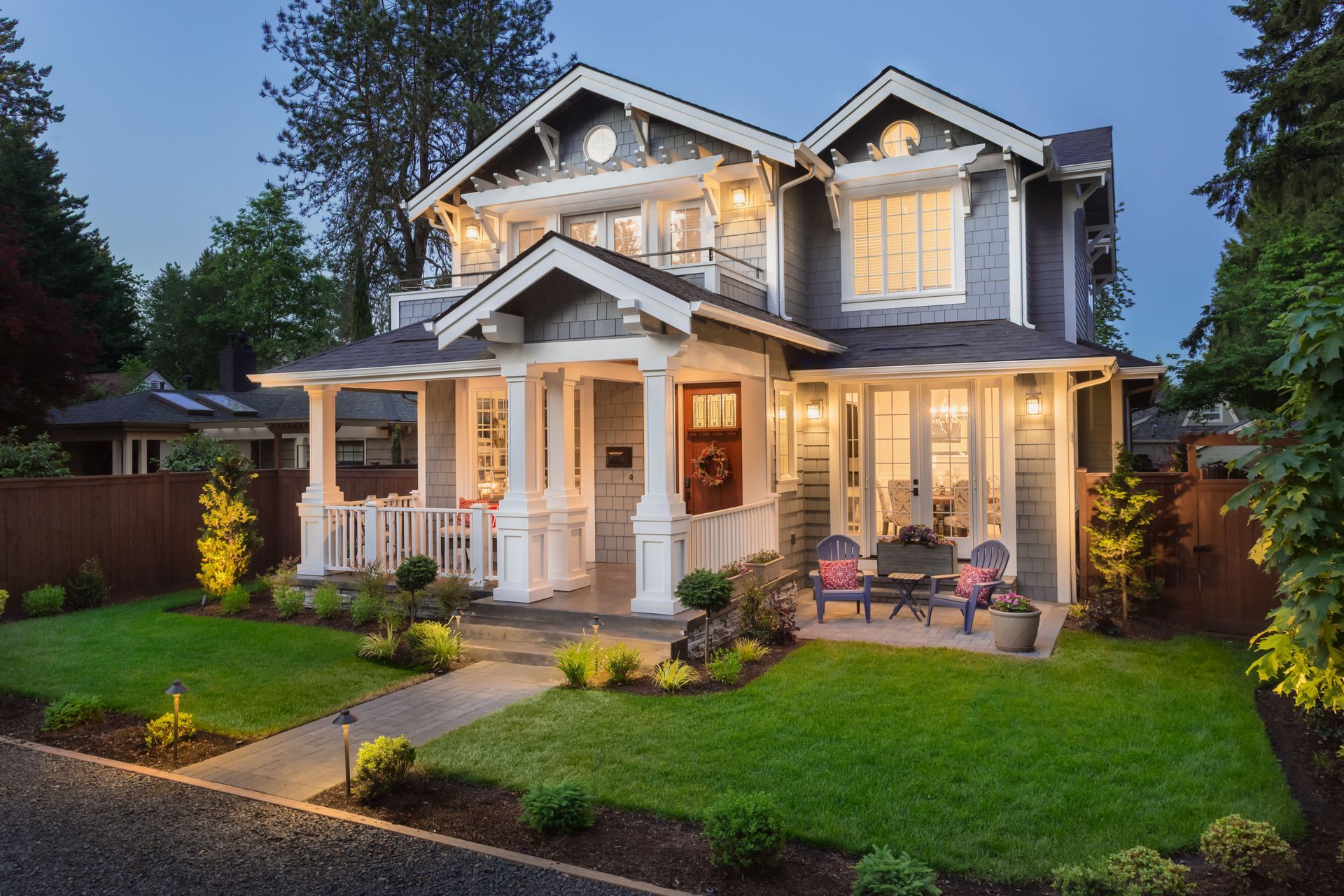
Choosing the right fixture style also helps create a balanced look throughout the property. Pathway lights can guide guests safely along walkways, while spotlights can draw attention to trees, architectural details, or decorative features. When fixtures are selected with both purpose and appearance in mind, landscape lighting becomes a seamless part of the overall outdoor design.
Improving Efficiency With Advanced Technology
Energy efficiency has become one of the most important considerations in modern outdoor lighting systems. Advances in technology have allowed homeowners and businesses to achieve bright, dependable illumination while reducing energy use and maintenance needs. LED lighting has become a popular choice because it provides long-lasting performance without requiring frequent replacements.
According to the Department of Energy, LED bulbs consume significantly less energy than traditional incandescent options and can last up to 25 times longer. This makes LED technology a practical solution for reducing operating costs while supporting more environmentally responsible lighting choices. Beyond saving energy, longer-lasting bulbs also reduce the time and effort required for ongoing maintenance.
Smart technology has further improved the way outdoor lighting systems operate. Timers, motion sensors, and automated controls allow users to adjust lighting schedules based on their needs. These features provide greater convenience while helping prevent unnecessary energy consumption, making efficient technology an important part of a successful landscape lighting design.
Balancing Brightness With Proper Placement
Creating an attractive outdoor environment requires careful attention to where and how light is distributed. Too much brightness can make a space feel harsh, while insufficient illumination may reduce visibility and safety. Proper placement ensures that each fixture serves a purpose without creating unwanted glare or uneven lighting patterns.
Understanding brightness levels helps property owners choose lighting that matches each area’s function. Walkways may require softer illumination for comfortable navigation, while focal points such as water features or landscaping elements may benefit from stronger accent lighting. The goal is to create balance by allowing different areas to work together naturally.
The placement of fixtures also influences the overall mood of an outdoor space. Lights positioned at different angles can create depth, highlight textures, and enhance architectural features. Careful planning allows landscape lighting to provide the right amount of illumination while maintaining a natural and inviting appearance.
Protecting Systems With Weather Resistance
Outdoor lighting systems must be designed to withstand changing weather conditions throughout the year. Exposure to moisture, dirt, and extreme temperatures can affect performance if fixtures and electrical components are not properly protected. Choosing weather-resistant materials and components helps extend the lifespan of the entire system.
Ingress Protection (IP) ratings are commonly used to measure how well lighting products resist dust and water exposure. Fixtures with higher protection ratings are generally better suited for areas that experience frequent rain or harsh outdoor conditions. Paying attention to these ratings allows homeowners to select products that match the specific demands of their environment.
Proper installation also plays a major role in long-term protection. Secure connections, appropriate placement, and professional installation techniques help prevent common problems caused by moisture or electrical damage. Choosing durable materials and proper installation methods ensures that landscape lighting systems can withstand changing outdoor conditions.
Enhancing Design With Color and Light Control
Lighting design is not only about visibility; it is also about creating an atmosphere that matches the personality of a space. Color temperature, brightness levels, and beam direction all influence how outdoor areas appear and feel. Warmer tones often create a comfortable and inviting setting, while cooler tones can provide a cleaner and more modern appearance.
Adjustable controls allow homeowners to customize lighting based on different occasions. A brighter setting may be useful for outdoor gatherings, while softer lighting can create a relaxed environment for quiet evenings. This flexibility allows one system to support multiple uses without requiring major changes.
The combination of proper color selection and light control can highlight important features while maintaining visual comfort. Trees, gardens, patios, and architectural details can each benefit from different lighting techniques. Thoughtful adjustments ensure that outdoor spaces remain attractive while avoiding excessive brightness or unnecessary energy use.
Managing Power Sources With Reliable Components
A dependable power source helps outdoor lighting systems operate consistently and efficiently. Transformers, wiring, and electrical connections all work together to provide the correct amount of power to each fixture. Selecting the right components prevents issues such as uneven lighting, system strain, and unnecessary repairs.
Low-voltage transformers are commonly used because they provide efficient performance while supporting safer outdoor applications. Choosing a transformer with the proper capacity ensures that fixtures receive enough power without overloading the system. Automated controls, such as timers and smart features, can also improve convenience by allowing users to manage lighting schedules and reduce energy waste.
Reliable power sources are essential for ensuring that landscape lighting operates efficiently and consistently throughout the year. Proper planning during installation helps maintain dependable performance while reducing the likelihood of electrical issues. These considerations allow outdoor lighting systems to remain functional and effective for longer periods.
Maintaining Systems With Proper Installation
Proper installation is essential for creating a reliable lighting system that performs well over time. Even high-quality fixtures may experience problems if wiring, connections, or placement are not handled correctly. Professional installation helps ensure that each component works together while improving safety and long-term reliability.
Using outdoor-rated wiring, durable connectors, and proper placement techniques protects the system from moisture and environmental damage. Regular maintenance, including cleaning fixtures and checking connections, can also help prevent small problems from becoming larger issues. Consistent care allows outdoor lighting to continue enhancing a property’s appearance and functionality.
A successful lighting design combines technical performance with visual appeal to create an outdoor space that feels comfortable and inviting. The right balance of brightness, placement, and fixture selection can highlight important features while improving nighttime visibility. Thoughtful planning ensures that lighting enhances the property without appearing excessive or distracting.
Modern lighting options provide homeowners with more flexibility through energy-efficient technology, automated controls, and customizable designs. By selecting quality components and maintaining a landscape lighting system properly, property owners can enjoy reliable performance and a beautifully illuminated outdoor space for years. Contact Creative Outdoor Lighting for professional guidance and solutions designed to enhance your outdoor space with quality illumination.